ARFID Safe Foods: What They Are and How to Build Your List
Wondering what ARFID safe foods are? Explore common foods people with ARFID tend to tolerate, plus tips for building a sustainable safe food list with professional support.
Author
Nabi Care TeamPublished
6 min read
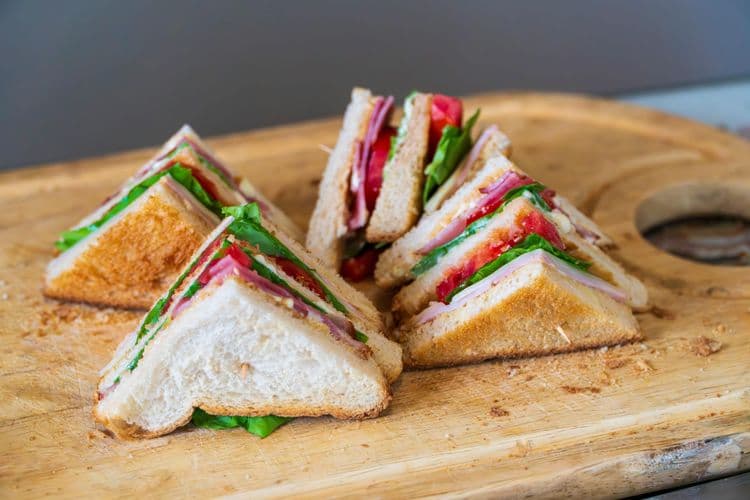
For people with ARFID, safe foods are not just preferences. They are the foods that feel genuinely tolerable to eat, often the only ones that do not trigger fear, disgust, or physical discomfort.
Understanding your safe foods is an important part of living with avoidant/restrictive food intake disorder. It is also a starting point for treatment and nutrition planning.
This article explains what safe foods are, why they matter, and how to work with a care team to build a sustainable food life around them.
What Are ARFID Safe Foods?
A safe food is any food that a person with ARFID can eat without significant anxiety, physical distress, or avoidance. Safe foods are different for every person with ARFID. There is no universal list.
Some people have a large safe food list with 20 or more foods. Others have only a handful. Both experiences are valid and both can be worked with in treatment.
Safe foods in ARFID are often chosen based on texture, taste, smell, temperature, or appearance. Sensory sensitivity to food traits is one of the most common factors driving food avoidance in ARFID, reported in roughly 63% of people with the condition.
Why Safe Foods Matter in ARFID
Safe foods are the foundation of nutrition for someone with ARFID. They are not a crutch or a sign of immaturity. They are what allows someone with ARFID to eat at all.
Research shows the most effective ARFID treatment is multi-modal, starting from where the patient currently is nutritionally and building from there. Forcing someone away from safe foods before they are ready tends to increase distress and slow recovery.
Respecting safe foods while working gently toward expansion is the approach most supported by research and clinical practice.
Common ARFID Safe Foods
While every person's list is unique, certain food characteristics tend to show up frequently in people with ARFID. These patterns are not rules. They are simply what researchers and clinicians observe most often.
Smooth or Uniform Textures
Many people with ARFID prefer foods with consistent, predictable textures. Mixed textures, like a soup with chunks, or foods with unexpected soft spots, are often difficult. Common smooth-texture safe foods include:
- Plain pasta or noodles
- White rice
- Mashed potatoes
- Peanut butter (smooth variety)
- Yogurt without mix-ins
- Certain puddings or smoothies
Crunchy or Crispy Foods
Some people with ARFID find crunchy, uniform textures safe and predictable. The consistent sensory experience can feel manageable in a way that softer or mixed foods do not. Common options include:
- Crackers or pretzels
- Chips of specific brands
- Dry cereals
- Toast or dry bread
- Plain popcorn
Plain Proteins
Many people with ARFID can eat plain, unflavored, or lightly seasoned proteins. Sauces, mixed ingredients, or strong spices often make protein sources feel unsafe. Common safe protein foods include:
- Plain grilled or baked chicken
- Eggs (specific preparations only)
- Plain deli turkey or ham
- Certain cheeses
- Bacon (for some individuals)
Specific Branded Items
One characteristic of ARFID that surprises many people is how brand-specific safe foods can be. A person might eat one brand of mac and cheese but not another, even if the ingredients appear similar. This is because sensory differences between brands, including subtle texture or flavor variations, can feel significant to someone with ARFID. You can read more about the difference between picky eating and ARFID to better understand where the line falls.
How to Use Your Safe Food List
Your safe food list is a working document, not a fixed identity. It is a starting point for conversations with your care team about nutrition and gradual expansion.
Share It With Your Dietitian
A registered dietitian who understands ARFID will use your safe food list to assess your nutritional baseline. Timely replenishment of essential nutrients such as vitamin B12, vitamin C, iron, zinc, and folate is vital to avoiding adverse effects on taste, hunger, mood, and energy.
Use It as a Foundation for Food Chaining
Food chaining is a technique used in ARFID treatment where you start with a safe food and take very small steps toward similar foods.
Your current safe foods are the starting point, not the endpoint. With support from a therapist or dietitian, you can explore what foods share similar qualities to what you already eat. Exposure therapy for ARFID uses safe foods as a base and slowly introduces related foods in a controlled, low-pressure way.
Keep Track of What Changes
Your safe food list may shift over time. Stress, illness, or life changes can temporarily remove a food from your safe list. Recovery work can gradually add new ones. Tracking what feels safe and what does not can help your care team support you more effectively.
When Safe Foods Are Not Enough Nutritionally
For some people with ARFID, safe foods alone do not provide sufficient nutrition. This is common and is not a failure. Research found that people with ARFID often meet only 20 to 30 percent of the recommended intake for most vitamins and minerals.
This is addressed in treatment without judgment. The goal is always to support your health while respecting your experience.
In these cases, a doctor or dietitian may recommend nutritional supplements, specific meal replacement drinks, or fortified foods.
Some people with very restricted safe food lists may need more intensive nutritional support, especially if there is significant weight loss or nutrient deficiency.
You Are More Than Your Safe Food List
ARFID can make food feel like a defining, limiting part of life. But you are not your diagnosis, and your safe food list is not a ceiling. With the right support, many people with ARFID gradually expand their range and reduce the anxiety that surrounds eating.
Whether you are just learning about ARFID or have been navigating it for years, compassionate, informed care makes a real difference.
If you are struggling with ARFID or another eating disorder, the National Alliance for Eating Disorders helpline is available at 1-866-662-1235.
Sources
1. Hilbert A, et al. (2021). Macro- and micronutrient intake in children with ARFID. Nutrients. PMC7911718.
2. StatPearls (NCBI Bookshelf). (2024). Avoidant Restrictive Food Intake Disorder.
3. Archibald A, et al. (2023). Current evidence for ARFID: Implications for clinical practice. JCPP Advances.
4. National Eating Disorders Association (NEDA). ARFID overview.
5. Zickgraf HF & Theim KR. (2024). ARFID: Review and recent advances. Focus (American Psychiatric Association).
6 min read